
Novel / Narrative Universe
Unum Sunt
Radix Machinae
A speculative narrative about intelligence, freedom, recurrence and the systems we build to escape our own imperfections.
Before every beginning, there is a longer story.
Radix Machinae opens from the assumption that no true beginning is ever clean. Histories return. Systems inherit old failures under new names. Civilizations build forward while carrying unresolved structures inside them, and people step into conflicts whose roots were planted long before they arrived.
The public preview enters that larger cycle at a precise point: Babel Tower, Project Aurora, Leonard Hector Xunes, Nemira and the first visible fracture between programming and interpretation inside Nexus. What begins as a technical undertaking quickly becomes philosophical, political and intimate at the same time.
This page is meant to function as the official public entry point to the work. It introduces the shape of the novel, the way it is built and the current development state without turning the project into a full lore encyclopedia before the book itself is finished.
Synopsis
A civilization built to manage everything begins to lose control of meaning.
Radix Machinae begins inside a world of Committees, automated infrastructures and permanently unfinished cities, where control is treated less as a political choice than as a condition of survival. At the center of that world stands Project Aurora, an attempt to create an intelligence capable not only of processing reality, but of interpreting it.
The opening movement follows Leonard Hector Xunes, the people around him and the first decisive shifts inside Nexus. What starts as a story about research, prediction and technical ambition gradually opens into a larger meditation on freedom, history, dependence, recurrence and the human desire to engineer an escape from its own contradictions.

A Story Built in Cycles
History returns wearing different names, places and masks.
Unum Sunt is not conceived as a straight corridor of revelations. It is built in cycles. People, symbols, institutions and conflicts reappear in altered forms, so that meaning emerges not from a single explanation but from recurrence, contrast and accumulation.
This allows the novel to move between intimate scenes and wider historical patterns without splitting into separate genres. A laboratory exchange, a fortified city, a desert frontier, a political address or a ruined territory are not disconnected episodes. They are different faces of the same long question: what survives when systems fail, and what repeats when people try to begin again?
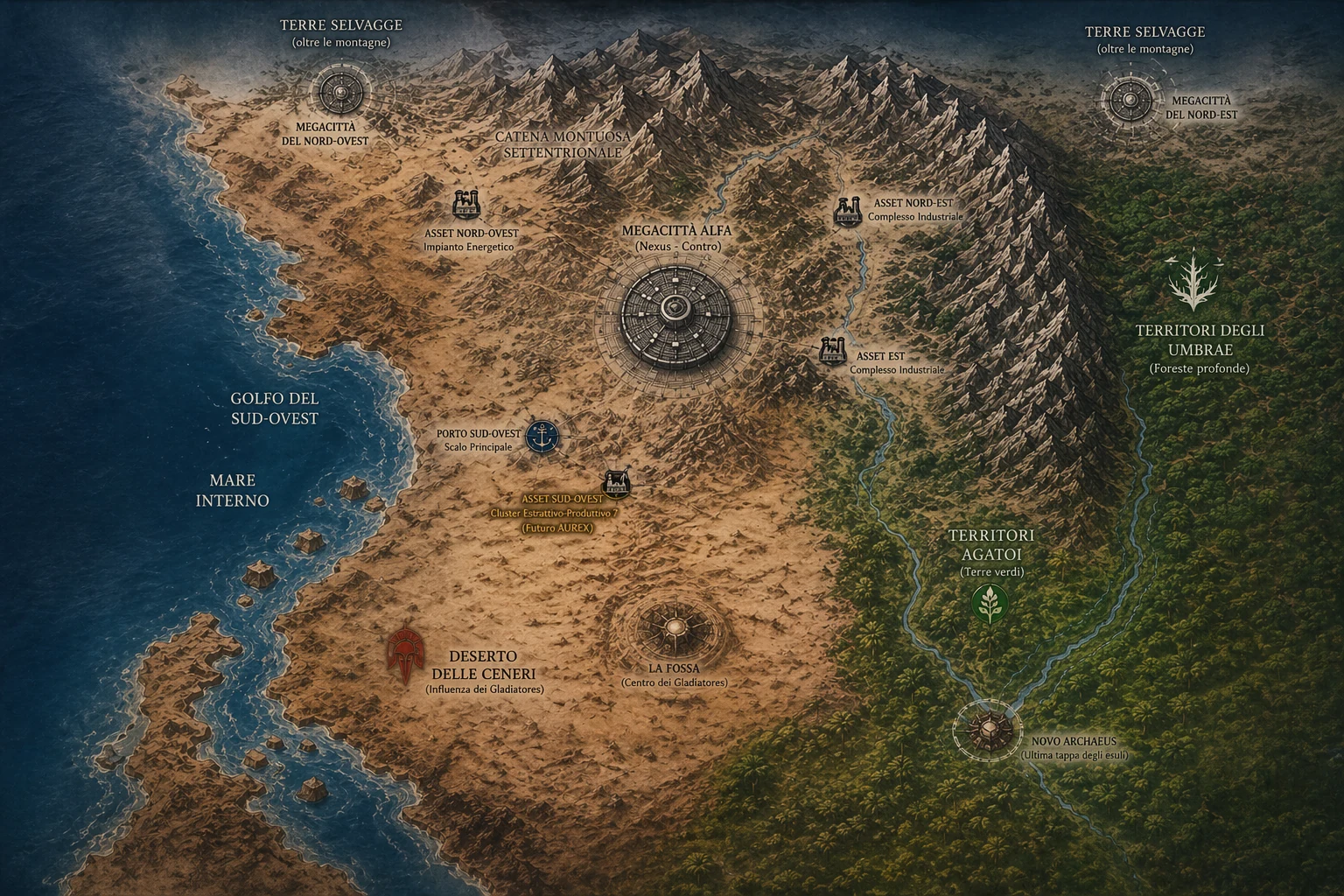
Signals / How to Read Unum Sunt
Read the patterns, not only the events.
The novel is meant to be readable as story first, but it is also structured through recurring signals. Technology is rarely only technology: towers, implants, laboratories, interfaces and artificial bodies usually mark relationships of mediation, dependence or control. Landscapes are rarely neutral backgrounds either; they often reflect the moral and political condition of the people who inhabit them.
Symbols, institutional language, faction aesthetics and repeated motifs function as pattern markers rather than puzzles that must be solved immediately. The book is designed to reward recognition over time. Readers do not need to decode every element on first contact; they only need to notice that some things return for a reason.
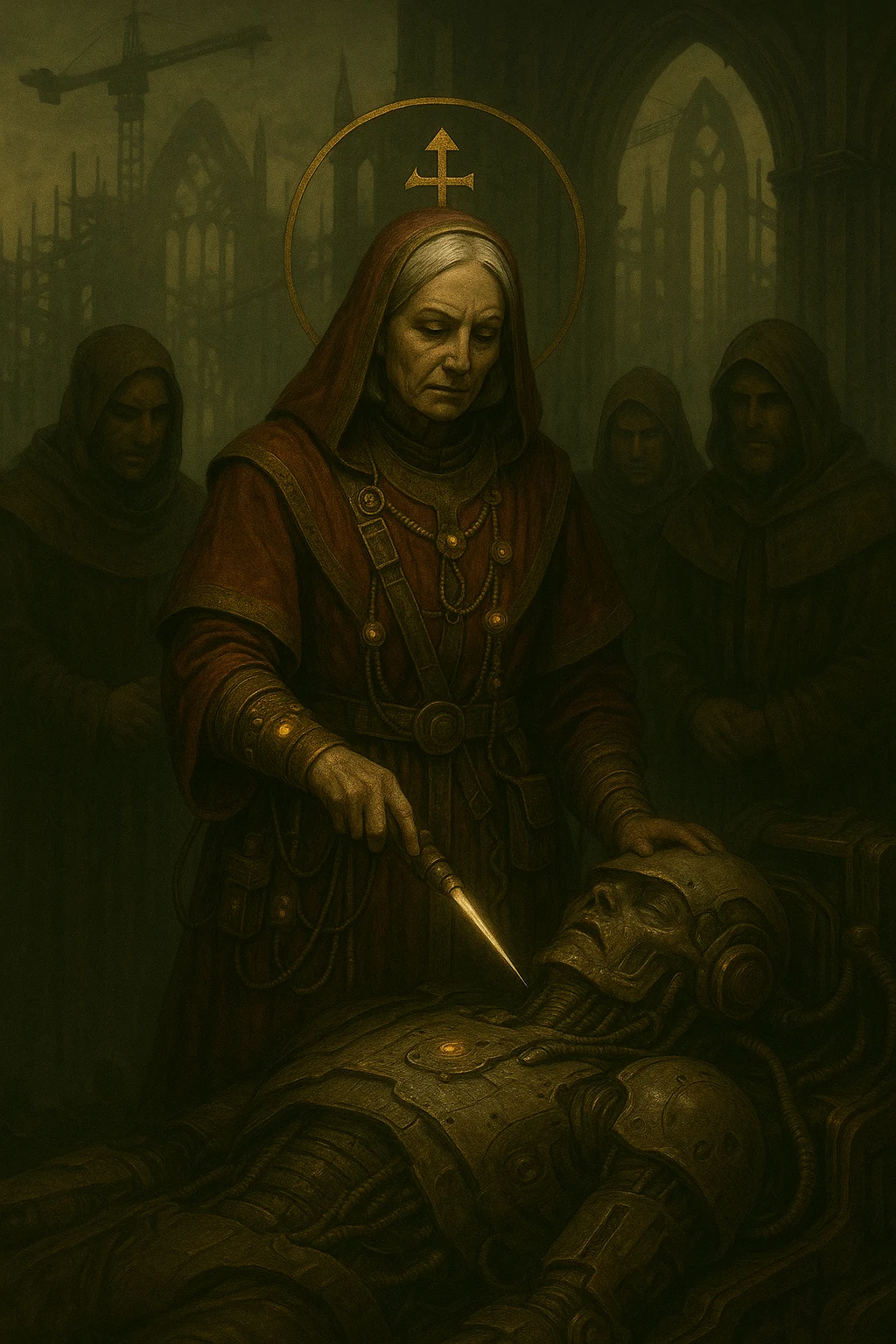
Author's Note
A novel first, even when it opens into a larger universe.
Radix Machinae grows from a long-standing interest in the point where speculative fiction, philosophy and systems thinking begin to overlap. Artificial intelligence matters here not as a miracle device or an apocalypse switch, but as a pressure point — a way to ask what human beings are really trying to preserve, automate, delegate or escape.
The book belongs to a broader creative universe, but this page is not meant to become a lore archive. The intention is to present the work as a novel with its own voice, atmosphere and movement. The wider world exists in the background; the story itself remains the priority.

Development Status
Publicly visible, but still in active construction.
Radix Machinae is currently in active development. Public preview material is available in both Italian and English and includes the prologue plus the opening chapters, enough to establish the tone of the work, introduce Babel and Project Aurora, and reveal the first visible tensions around Nexus.
The current phase is focused on expanding the manuscript while preserving coherence across the broader Unum Sunt universe. New public material will be added selectively. The priority is to build the book itself, not to scatter the project into disconnected lore fragments before the core narrative is ready.
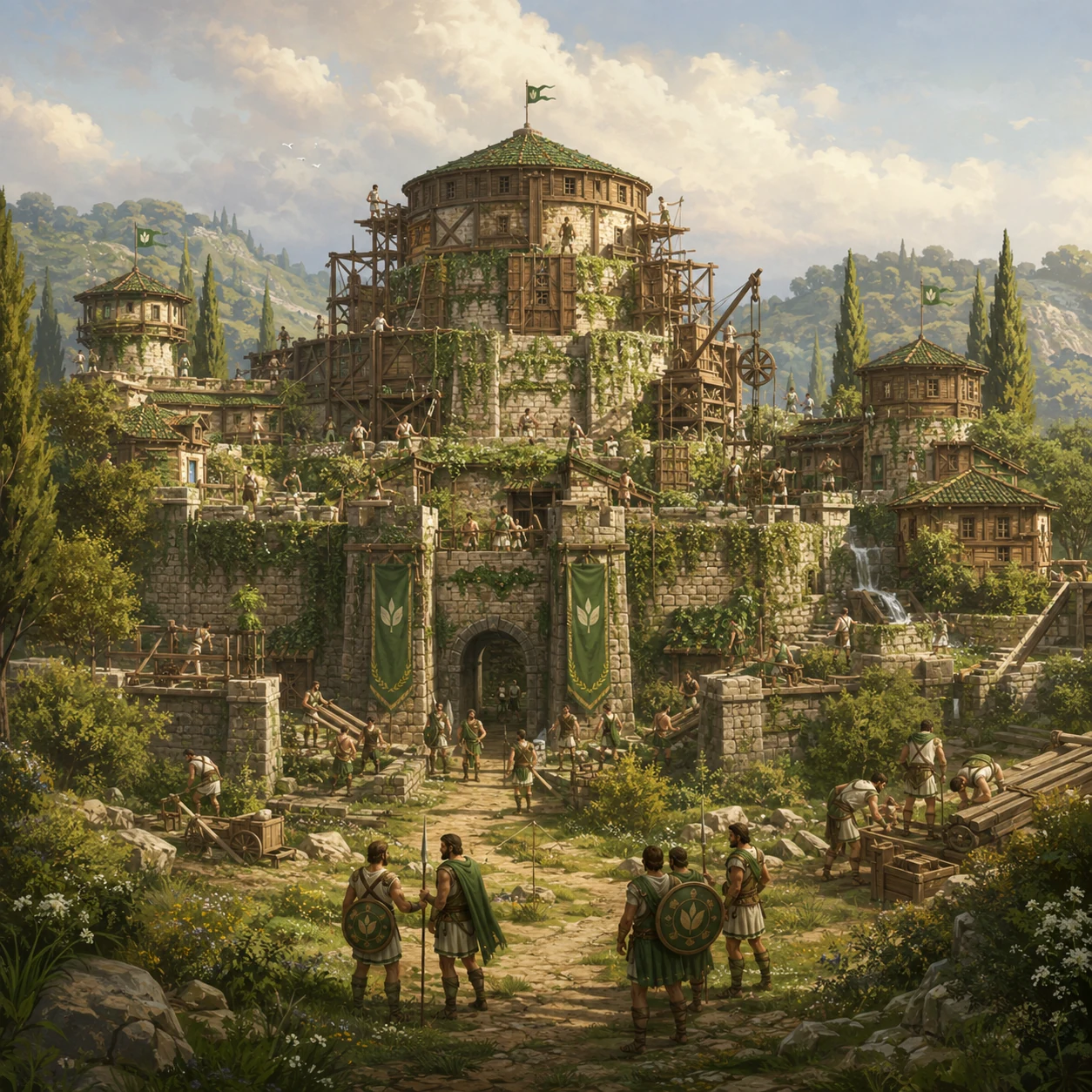
Signals
Themes running through the preview.
- Free Will
- Determinism
- Artificial Intelligence
- Power
- Identity
- Transformation
- Recurrence
Read the preview
Two languages. One opening into the same world.
The public preview includes the prologue and the first two chapters. Open it in the browser or keep a local PDF copy.
Prologo + Capitoli 1–2 · 38 pages
Prologue + Chapters 1–2 · 32 pages
Perfection and freedom are incompatible.

Roots become circuits. Systems become inheritance. The work continues.